Extended Stay Hotel Plans: The Definitive 2026 Reference Guide
The traditional hospitality sector is currently navigating a profound structural shift as the boundaries between transient travel and semi-permanent residency dissolve. For decades, hotels operated on a binary logic: you were either a traveler occupying a room for a few nights or a resident committed to a multi-month lease. Today, the space between these two poles has expanded into a sophisticated market of “flexible living,” driven by the rise of the distributed workforce, specialized medical relocation, and the logistical needs of large-scale infrastructure projects. This evolution has elevated extended stay hotel plans from a niche economy sub-sector to a primary pillar of modern real estate and corporate procurement.
Designing or selecting an effective long-term lodging strategy is no longer a matter of simply negotiating a lower nightly rate. It involves a total reimagining of the service-to-square-footage ratio. The operational requirements for a guest staying 45 nights are fundamentally different from those of a guest staying two. In the former, the hotel must function as a logistics hub, an office, and a kitchen, all while mitigating the “psychological erosion” that often accompanies prolonged displacement. For the provider, the challenge is to maintain profitability through leaner staffing models and reduced turnover costs, even as the price-per-night decreases.
For corporate travel managers and individual relocators alike, the complexity lies in the “Total Cost of Stay” (TCOS). This metric transcends the base room rate to include the fiscal impact of grocery logistics, laundry efficiency, and the opportunity cost of commute times. This pillar article provides a definitive exploration of the extended stay ecosystem, moving beyond surface-level summaries to examine the historical evolution, financial frameworks, and risk landscapes that define the sector in 2026.
Understanding “extended stay hotel plans.”
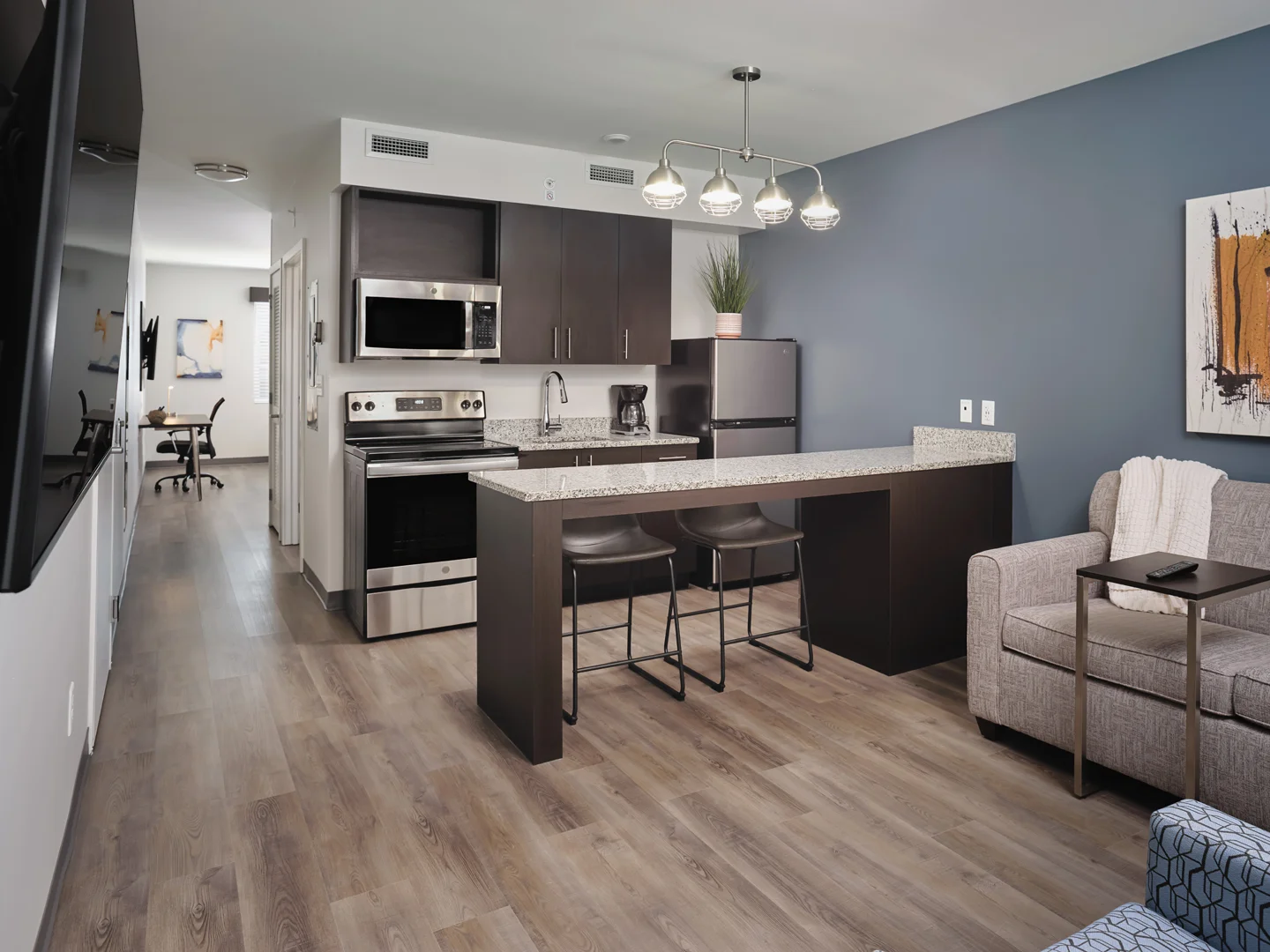
To properly evaluate extended stay hotel plans, one must view them as specialized financial and operational instruments rather than merely discounted hotel stays. A professional plan for this sector is a delicate balance of “Utility Density”—the ability to perform complex life functions within a single footprint—and “Operating Margin Efficiency.” A common misunderstanding among procurement professionals is the belief that “luxury” amenities (like a grand lobby or valet) correlate with the quality of a long-term plan. In reality, for a 60-day stay, a high-performing laundry room is far more valuable than a high-performing bar.
From a fiscal perspective, these plans rely on a “Straight-Line Availability” model. Unlike traditional hotels that thrive on nightly rate volatility (yield management), the best extended stay plans prioritize “Occupancy Stability.” By locking in a guest for 30+ nights, the hotel eliminates the high cost of room turnover, which can range from $20 to $60 per instance in labor and linen processing. The oversimplification risk here is failing to account for “Ancillary Revenue Depletion.” When guests cook in their rooms, they spend less at the hotel restaurant, necessitating a plan that captures value elsewhere, such as through tiered internet packages or premium storage solutions.
From a functional perspective, these plans must address “Routine Preservation.” A guest’s psychological well-being during a long-term relocation is tied to their ability to replicate their home habits. Therefore, a top-tier plan doesn’t just provide a room; it provides an ecosystem. This includes “Kitchen Fidelity”—real appliances that allow for meal prep, not just reheating—and “Digital Sovereignty,” ensuring the guest has a dedicated, secure network rather than a shared, throttled portal.
Finally, we must consider the regulatory dimension. Many extended stay hotel plans are strategically designed to cross the “30-Day Residency Cliff.” In many jurisdictions, this threshold exempts the stay from transient occupancy taxes (TOT), which can reduce the total bill by 10% to 15% overnight. However, this transition also carries legal implications, often granting the guest “Tenant Rights,” which requires a plan that includes robust credit vetting and clear contractual “Check-out” protocols to mitigate legal fragility.
Historical Context: The Genesis of All-Suite Hospitality
The evolution of the extended stay model is a direct response to the changing nature of professional labor. In the Early Industrial Era, long-term travelers relied on “Boarding Houses”—high-density, low-privacy environments with communal dining. These were essentially the first “service plans,” though they offered little in the way of autonomy.
The Mid-20th Century saw the rise of the “Apart-Hotel” in major urban centers like London and New York, catering to wealthy travelers and diplomats. However, it wasn’t until 1975 that the modern industry was born, when Jack DeBoer founded the first all-suite hotel, which would eventually become the Residence Inn brand. This was a revolutionary decoupling; it prioritized the suite over the lobby and the kitchen over the room service menu.
By the Early 2020s, the remote work revolution and the “Work-from-Anywhere” movement accelerated the demand for these spaces. In 2026, we have entered the era of “Managed Residential Hospitality,” where properties are no longer just places to sleep but are integrated “Life Hubs” that compete directly with traditional residential apartments.
Conceptual Frameworks for Mid-Term Occupancy
To navigate the complexity of these plans, use the following mental models:
1. The “Turnover-to-Tenancy” Ratio
This model measures the efficiency of a plan based on the number of “touches” required per month. A traditional hotel room requires 30 cleanings and 30 linen swaps per month. A high-efficiency extended stay plan might reduce this to 4 cleanings. The 26 “saved” touches represent the core profit margin of the model.
2. The “0.5 Service Ratio.”
This framework posits that the optimal extended stay experience provides exactly half of the service of a traditional hotel. The property provides the infrastructure (laundry machines, stoves, Wi-Fi), but the guest provides the execution (cooking, washing). This “Labor Sharing” model reduces costs for the provider and increases a sense of “Home Sovereignty” for the guest.
3. The “3-6-9 Strategy.”
This is a procurement framework used by organizations. Stays of 3 days go to a hotel; stays of 6 weeks go to an extended stay hotel; stays of 9 months go to corporate housing or a private lease. Understanding the limits of each “tool” prevents overspending and guest burnout.
Variation Taxonomy: Comparing Models and Trade-offs
The extended stay market is not a monolith. It has bifurcated into specialized tiers designed for different budgets and utility requirements.
Decision Logic: The “Utility-to-Autonomy” Curve
When choosing between extended stay hotel plans, the primary decision point is the trade-off between “Hand-Holding” (Service) and “Independence” (Autonomy). If the guest is a junior employee on a first assignment, a Midscale Suite with free breakfast reduces the “stress of survival.” If the guest is a senior project manager, the Upscale Serviced Apartment with a full-size kitchen and private office is the “best” option for long-term productivity.
Detailed Real-World Scenarios and Operational Stress Tests
Scenario 1: The “Digital Dead Zone” Failure
-
Context: A consulting team is placed in an extended stay in an economy for 90 days.
-
The Interaction: The hotel’s Wi-Fi plan is a “Voucher System” that requires re-logging in every 24 hours, and throttles speeds after 2GB.
-
The Failure: The team cannot maintain persistent VPN connections for their work, leading to 20% lost productivity.
-
The Fix: A top-tier plan must include “Persistent MAC Authentication,” allowing the guest’s devices to remain connected for the duration of the stay without friction.
Scenario 2: The “Odors of Life” Conflict
-
Context: A diverse group of guests in a long-term property are all cooking ethnic cuisines in their kitchenettes.
-
The Interaction: Traditional hotel HVAC systems often recirculate air to save energy.
-
The Failure: Cooking odors from one unit permeate the entire floor, leading to guest complaints and a “Hostile Living Environment.”
-
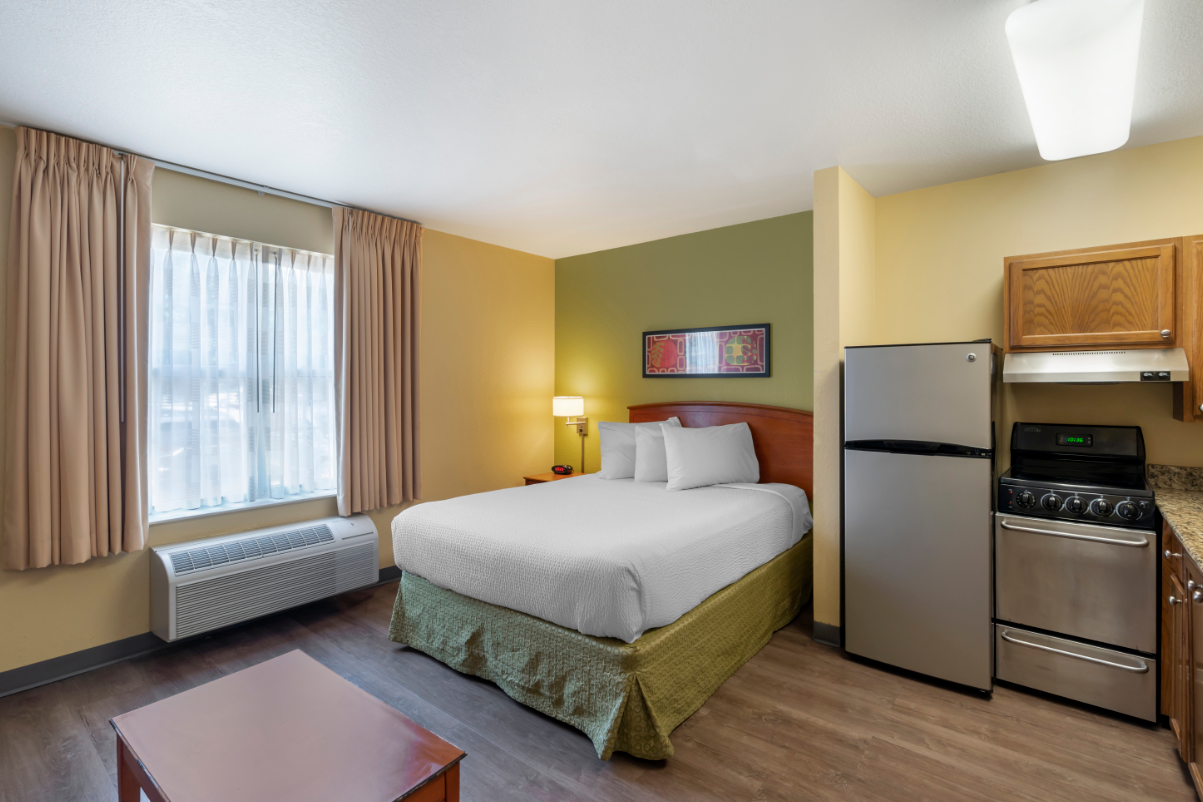
The Fix: Superior plans utilize “Independent Exhaust Systems” that vent directly to the exterior, treating the unit as a separate apartment rather than a hotel room.
Planning, Cost, and Resource Dynamics
The financial success of an extended stay plan is measured by GOPPAR (Gross Operating Profit Per Available Room), which is often significantly higher in this sector than in full-service hotels despite a lower top-line revenue.
Table: Financial Model Comparison (90-Day Horizon)
Opportunity Cost and “RevPAG”
While the nightly rate is lower, the “Revenue Per Available Guest” (RevPAG) is more predictable. A hotel that fills its rooms with long-term guests on structured plans avoids the “Weekend Slump”—the vacancy dip that occurs on Sundays and Mondays in commercial hotels. This stability allows for leaner, more efficient “Just-in-Time” supply chains for towels, toiletries, and cleaning supplies.
Strategies and Support Systems for Prolonged Stays
A robust long-term plan requires “Invisible Infrastructure” that supports the guest’s life without constant staff intervention:
-
Mailroom Centralization: A secure locker system (e.g., Luxer One) for the high volume of Amazon/e-commerce deliveries is essential for long-term residents.
-
Tiered Cleaning Protocols: Allowing the guest to opt out of cleaning in exchange for “points” or lower rates, respecting their privacy and space.
-
Appliance Health Monitoring: Using IoT sensors to detect if a room’s refrigerator or HVAC is failing before the guest notices, preventing “Relocation Friction.”
-
Local “Integration Kits”: Plans that include memberships to local high-end gyms or grocery delivery services, rather than just in-house amenities.
-
Modular Furniture: Desks that can be converted from sitting to standing, accommodating different work styles over several months.
-
“Dark Room” Integrity: High-quality blackout curtains and soundproofing that protect the guest’s sleep cycle, a critical factor in mitigating “Traveler’s Decay.”
Risk Landscape: Legal Liability and Cybersecurity
Operating or staying in an extended stay property carries “Compounding Risks” that are absent in the short-term market.
-
The “Squatter” Legal Trap: In many US states, a stay exceeding 28 days confers full “Tenant Rights.” If a guest stops paying, the hotel cannot simply deactivate their key; they must go through a formal eviction process that can take months. Professional extended stay hotel plans mitigate this by requiring “Intermittent Check-outs” or rigorous credit pre-authorization.
-
Digital Residue Risk: Long-term guests are more likely to log into sensitive accounts (banking, corporate VPNs) on the room’s smart TV or Wi-Fi. A failure to perform a “Digital Deep Clean”—wiping all cached data and logging out of all accounts—between guests is a major liability.
-
Environmental Degradation: Long-term cooking and daily living cause “Deep Wear” that a standard 20-minute hotel cleaning doesn’t address. Over time, this can lead to permanent odors and carpet damage that necessitates an early (and expensive) Capital Expenditure (CapEx) cycle.
Governance, Maintenance, and Long-Term Adaptation
Extended stay properties require a “Preventative Maintenance” (PM) schedule that is non-intrusive. Unlike a hotel that deep-cleans a room every few days, these properties must use a “Layered Approach.”
The “Stealth Maintenance” Cycle
-
Weekly: Linen swap and “surface” clean.
-
Monthly: HVAC filter check and appliance descaling (performed while the guest is at work).
-
Quarterly: Furniture “Stress Test” and carpet steam cleaning.
Layered Checklist for Long-Term Adaptation:
-
[ ] Network Audit: Is the unit’s bandwidth still meeting the guest’s work requirements?
-
[ ] Ergonomic Audit: Inspect the chair and desk for structural integrity after 100+ hours of use.
-
[ ] Inventory Refresh: Replace “high-touch” items like sponges, dish soap, and filters every 30 days.
-
[ ] Sentiment Pulse: A formal “how is the routine?” conversation at the 45-day mark to identify mounting frustrations.
Measurement, Tracking, and Evaluation Metrics
The performance of an extended stay plan is measured through “Friction-Based KPIs”:
-
Average Length of Stay (ALOS): A higher ALOS (Target: 20+ nights) indicates a successful alignment with long-term market needs.
-
Cost Per Occupied Room (CPOR): This should be significantly lower (Target: $10-$15) than a traditional hotel ($25-$40) due to reduced labor.
-
Guest Net Promoter Score (eNPS): For extended stay, “Satisfaction” is less about “delight” and more about “seamlessness.”
Documentation Examples:
-
The “Utility Variance” Log: Tracking if a unit is using 3x the average water/power, which can signal an unreported leak or a guest running a high-heat “Server Farm” in the room.
-
The “Incident Frequency” Report: Categorizing maintenance calls. If “Slow Wi-Fi” or “Leaky Faucet” is the top call, the plan’s infrastructure is failing.
Common Misconceptions and Industry Myths
-
Myth 1: “Extended stay hotels are for people who can’t find a home.”
-
Reality: In 2026, many high-earning consultants choose these plans for the “Asset-Light” lifestyle and the lack of utility/lease commitments.
-
-
Myth 2: “Free breakfast is a top priority.”
-
Reality: After day 10, most guests find hotel breakfasts repetitive and unhealthy. They would rather have a high-quality blender or a larger refrigerator.
-
-
Myth 3: “Housekeeping must be done daily to be high-quality.”
-
Reality: Long-term guests often find daily housekeeping to be an invasion of their workspace. Weekly cleaning is the “Comfort Standard.”
-
-
Myth 4: “Standard hotel Wi-Fi is sufficient for remote work.”
-
Reality: A guest on a 90-day stay will consume 10x the data of a transient guest. Standard hotel “throttling” is the #1 cause of long-term stay cancellations.
-
Ethical and Practical Considerations
As we design these plans, we must address the “Displacement Effect.” When hotel properties convert to long-term “quasi-apartments,” they can shift the local housing market dynamics. Ethical operators ensure their properties are zoned correctly and that they provide “Community Integration,” encouraging guests to shop at local grocery stores rather than relying solely on hotel vending. Furthermore, the “Environmental Footprint” of extended stay is nuanced; while fewer towel washes are a net positive, the increased energy use from in-room cooking requires a plan that utilizes high-efficiency induction cooktops and LED lighting.
Conclusion: The Future of Adaptive Residency
The convergence of the hotel and the home is a permanent realignment of human geography. The extended stay hotel plans of the future will be those that view the guest not as a “visitor” to be entertained, but as a “temporary resident” to be supported. This requires a shift from “Performance-Based Hospitality” to “Infrastructure-Based Hospitality.”
Success in this sector requires patience, intellectual honesty about the limitations of small-space living, and a relentless focus on reducing the friction of daily life. By building environments that are technologically resilient, legally secure, and psychologically supportive, the hospitality industry can provide the stable foundation necessary for a more mobile and productive global workforce. The goal is to create a stay that is so integrated and so reliable that the guest forgets they are in a hotel at all.